What to Know Before You Build
Building a log home starts with a handful of important choices. You’ll want to think about the type of log wall system, the shape of the logs, how the corners come together, the roof style, and how your home will stay comfortable for years to come. Most folks wonder how the whole process works and which decisions really matter before you get to the design stage.
At Ward Cedar Log Homes, you’re never left to figure these things out by yourself. We will go over choices like log profile, corner style, our Comfort System 5, and roof options. Each one plays a part in how our home looks, feels, and performs, as well as the final cost.
What are the Main Parts of Log Home Construction?
A log home is made up of several major construction choices. The log profile affects the appearance of the walls. The corner style changes the home’s exterior look. The wall system affects comfort, sealing, and long-term performance. The roof system helps shape the interior feel, especially if you want cathedral ceilings or exposed beams.
Choosing the Right Log Profile
The log profile is one of the first choices you will make because it affects how your home looks on the outside. Some homeowners want a more traditional log home feel. Others want the warmth of cedar with a cleaner modern look, like our clapboard style. And some want the look of a log home with added flexibility of our hybrid log homes.
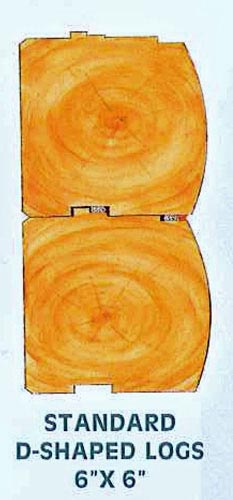
1) D-shape: D-shape logs are rounded on the outside and flat on the inside. This gives the exterior a classic log home look while making the interior walls easier to finish, decorate, and furnish.
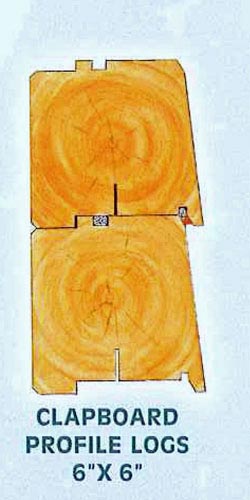
2) Clapboard Style: If you’re after the look of log but with a more conventional edge, the clapboard-style log gives you the best of both worlds. You’ll get all the benefits of a log home with this profile that veers more modern, less rustic.
3) Hybrid: A hybrid log home can give you the look and feel of a log home while using framed exterior walls. This can be helpful for meeting certain energy code requirements, achieving budget goals, or aligning with design preferences.
Understanding Log Home Corner Styles
Corner styles change the home’s exterior character. Some corners create a cleaner, more finished look. Others show a more traditional overlapping log appearance. The right choice depends on the home style you want and the wall system you choose.
Corner post style
The logs at the end of each wall meet and connect to a corner post, creating a finished look. (This is the exclusive corner style for our clapboard-style log homes.)
Butt-and-pass style
The logs extend past one another, alternating to create the visual effect of interlacing. This is the more rustic look of the two styles. (This style can be used with either the D-log or our hybrid system.)
Why the Wall System Matters
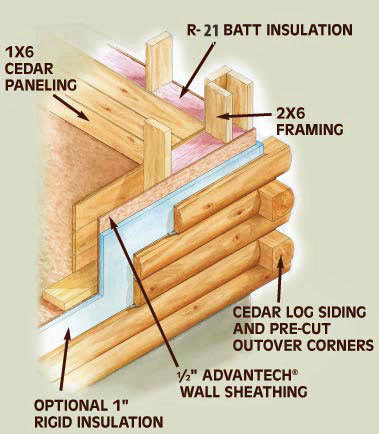
The wall system is where log home construction really matters. A good wall system should account for wood’s natural movement, help reduce air leaks, and create a tight, comfortable home.
Every Ward home includes Comfort System 5, which brings together air-dried cedar logs, tongue-and-groove joinery, an internal foam gasket barrier, an external foam backer rod, and Perma-Chink caulking. These details work together to help create a tighter, more energy-efficient cedar log home.
Comparing Log Home Roof Systems
The roof system affects more than just the home’s exterior. It also changes the way the home feels inside. If you want open ceilings, exposed beams, or a more conventional flat ceiling, this is one of the choices to discuss early in the planning process.
Purlin System
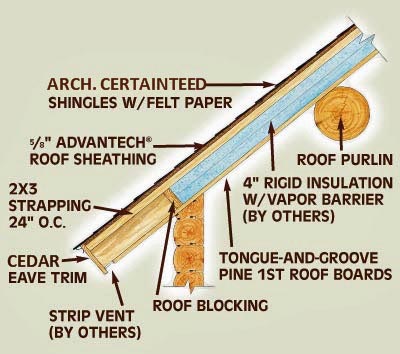
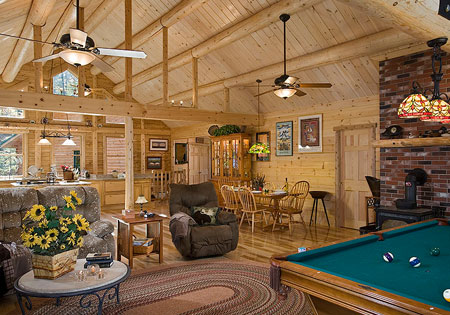
Used in our premier package, this system consists of exposed purlins extending out horizontally to support the roof. Round or square logs are available. A perfect choice for creating dramatic cathedral ceilings.
Rafter System
A rafter system can create a vaulted ceiling at a lower cost than a full purlin system
Manufactured Truss
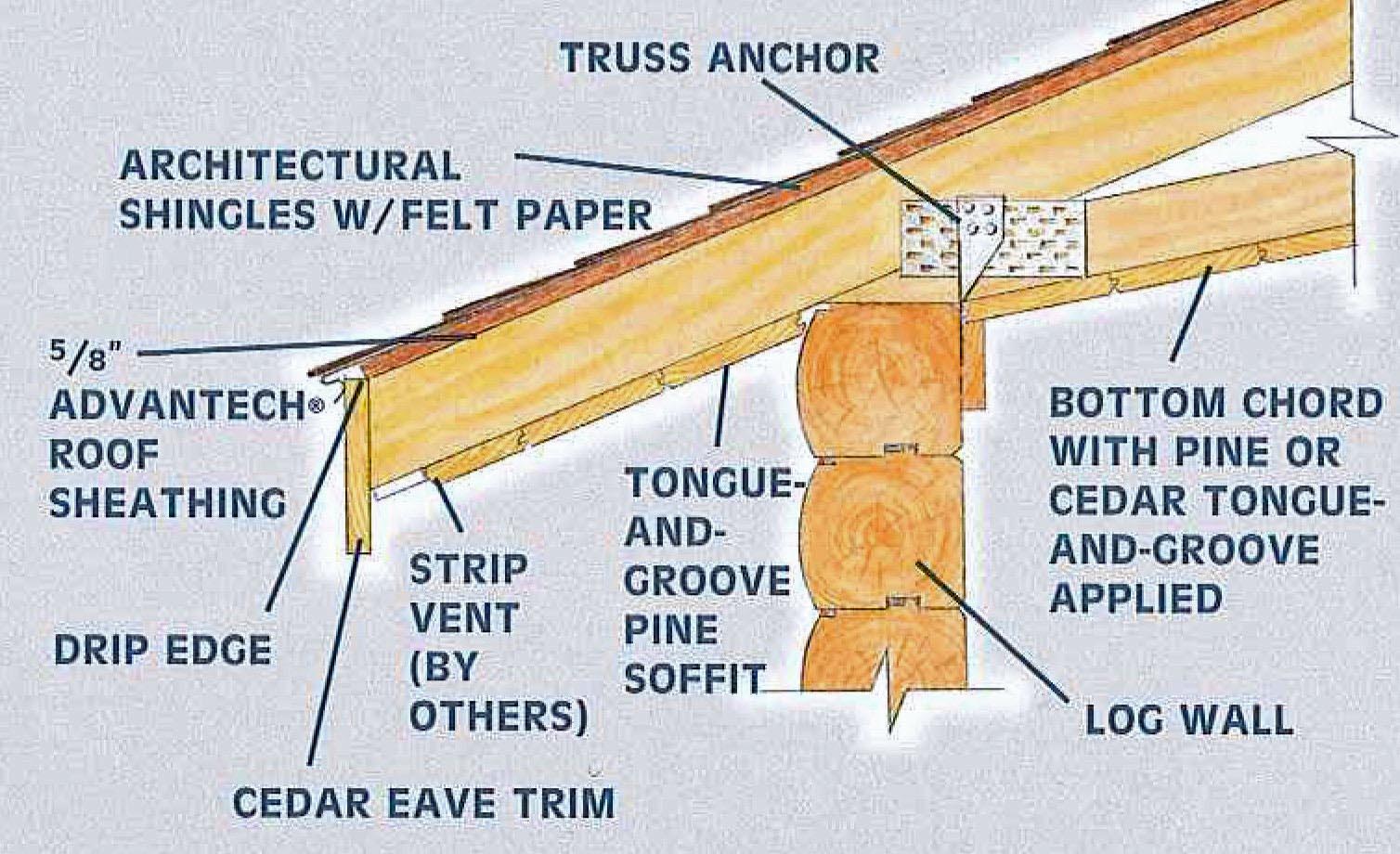
A manufactured truss system creates a more conventional flat ceiling or small cathedral and can be a practical option for certain layouts and budgets.
What Should You Decide Before Starting a Log Home Design?
Before you get too far into floor plans, it helps to think about a few basic questions.
- Do you want a full log home, a hybrid home, or a clapboard-style log home?
- Do you prefer a traditional log corner or a cleaner corner post look?
- Are open ceilings important to you?
- Do you have land already?
- Are there local energy codes or building requirements to consider?
- Do you want to start with an existing plan or create a custom one?
You do not need every answer before contacting Ward. These questions simply give you a better starting point for the first conversation.
If you are still early in the process, our guide to getting started with your log home can help you understand what to think about before plans, pricing, and design begin.
Ready to Start Planning Your Log Home?
You do not have to know every construction detail before you begin. That is what Ward is here to help with. Whether you are comparing log profiles, considering a hybrid design, or trying to decide which floor plan feels right, our team can help you understand your options before you move too far down the path.
Start by browsing our personalized log home options, or contact us to go over the kind of home you want to build.
Be sure to follow us on Facebook, Pinterest, and Instagram for inspiration, events, tips and more!