Building your own log home is exciting. You get to decide how it looks and how it flows/works. Along the way, you will find there is more to the budget than the log home package itself. That is normal. The key is seeing those extras before they surprise you.
We talk with folks every week who are just getting started. Below you’ll find the places where money often hides, plus a few ways to stay in front of it.
Getting the land ready
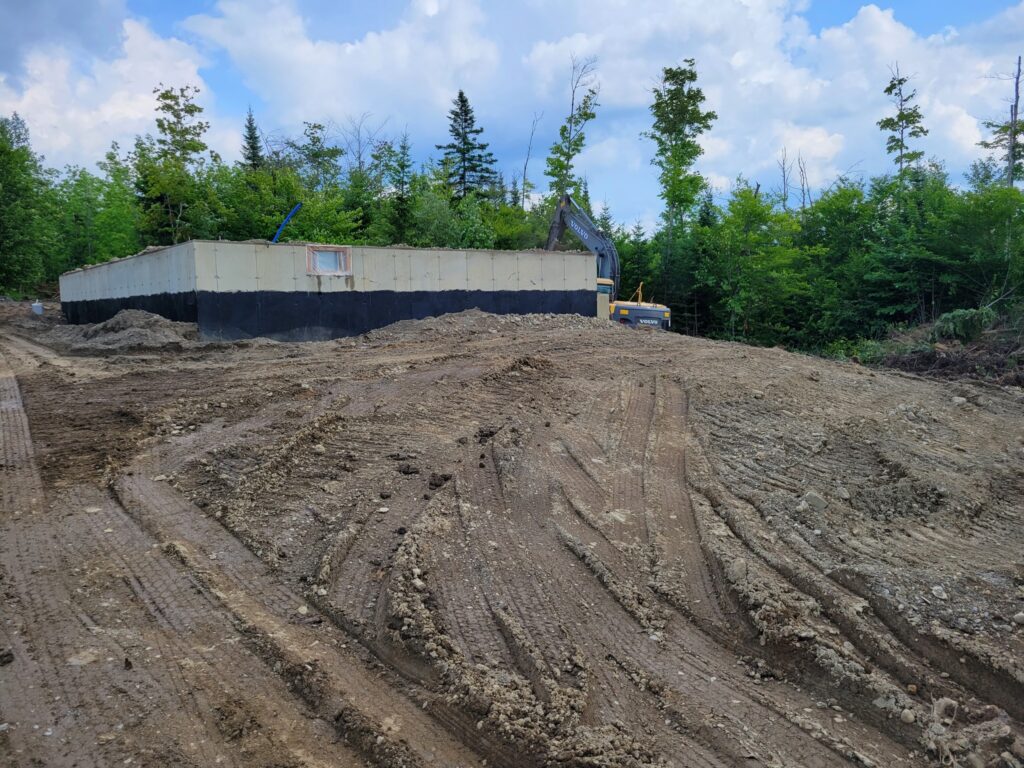
Before the first log goes up, the site has to be prepared. You may need tree clearing, grading, gravel, a driveway, a well, or a septic system. Sloping land, rocky terrain, and long access roads can add cost and time.
What helps: walk the property with your builder. Ask where water will run, where trucks can stage, and where the house should sit. One good site walk can save a lot of backtracking.
Permits and local fees
Every town plays by its own rules. You might need permits for excavation, septic, driveway access, and the house itself. Fees can vary widely from place to place, so be sure to check with your local officials.
What helps: call the code office early. Ask what is required, what it costs, and how long approvals may take. Put those numbers on your budget sheet now, not later.
Utilities and hookups
Undeveloped land often needs water, power, and sometimes gas brought to the site. Distance from existing lines matters. So does the terrain.
What helps: get rough estimates from utility companies and your builder before you finalize the house location. Moving a pad, or driveway a short distance can change the price.
Interior finishes
The package gives you the structure. Big swings in cost usually happen with cabinets, counters, flooring, tile, lighting, and plumbing fixtures. Choices add up fast.
What helps: make a simple list. Must-have on one side. Nice-to-haves on the other. Decide where to invest and where to keep things simple. Order long-lead time items early. If floors matter most to you, put true hardwood at the top for main living area.
Landscaping and exterior work
When the house is done, the ground is still raw so to speak. Lawns, walkways, steps, porches, patios, and basic plantings all take time and money. These items often show up when budgets feel tight.
What helps: set aside a line item for exterior work, even if you plan to do it in phases. A modest allowance lets you finish well.
Design changes and add-ons
Ideas can show up mid-build. A larger kitchen island. A screened porch. Another closet. Custom homes can change, but every change affects schedules and cost.
What helps: spend real time on the plan before you dig. Walk through daily routines. Picture where furniture will go. Mark outlet and switch locations. Early decisions are less expensive decisions.
Plan smarter. Breathe easier.
We have been guiding homeowners through this process for more than 100 years. A clear plan turns a big project into a steady one. If you are still gathering ideas, this is a good place to start: Questions to Ask Before Building Your Log Home.
Want a simple planning sheet you can print and use? Download our building checklist (PDF)
If you are just starting to explore your options, we recommend downloading the Getting Started Guide – The Ward Way or checking out some of our most popular floor plans to see what speaks to you.
Be sure to follow us on Facebook, Pinterest, and Instagram for inspiration, events, tips and more!